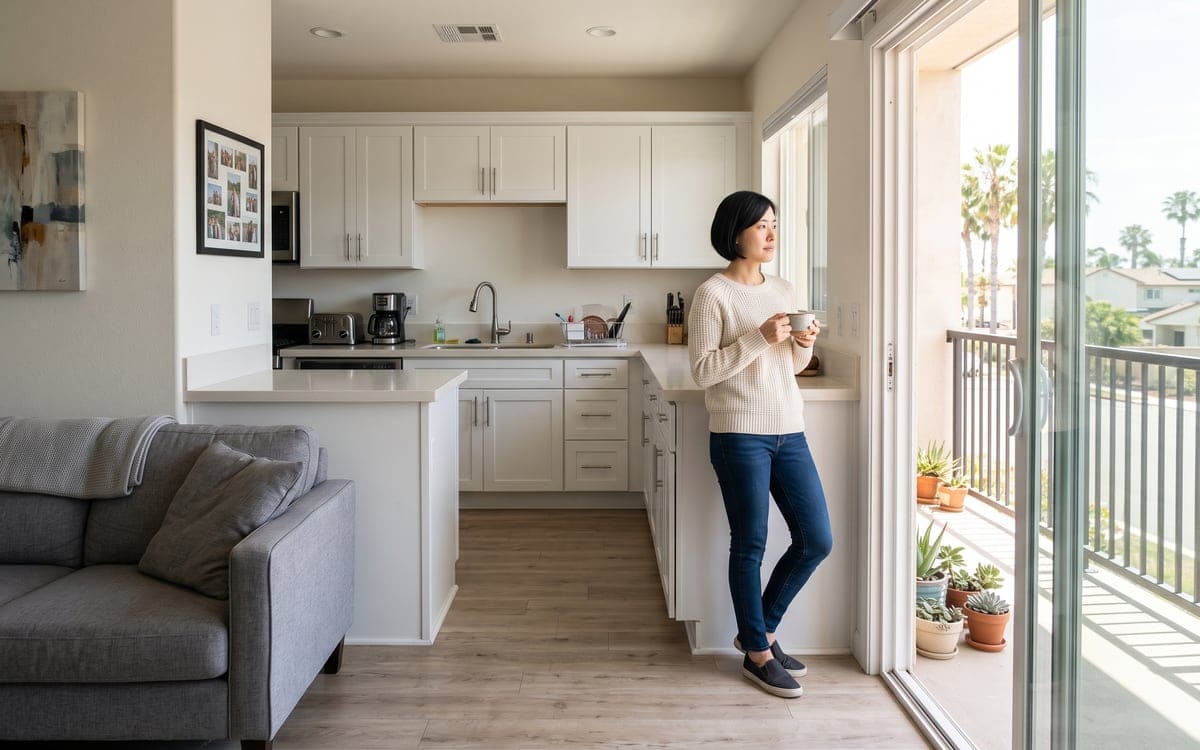
A price starts with the rooms and bathrooms
Every quote begins with a rough count of what has to be cleaned. Rooms set the scope of the dusting and the floor work. Bathrooms carry the scrubbing load, and a full bath with a tub and a shower is a different job from a half bath with a sink and a toilet. A one-bedroom with a single full bath lands at one number; a three-bedroom with two baths and a half sits further up the line. Full baths and half baths are counted apart, because the work in them is apart.
The questions on the first call turn a guess into a plan. A cleaner who skips the room and bath count has nothing to quote against.
What moves the price of a house cleaning
What moves the price up or down for a given home.
Inside the home
- Rooms and bathrooms, full and half baths apart
- How long since the last thorough clean
- Pets, a busy kitchen and any extras
Getting to the home
- A house, a walk-up or a tower
- Parking, a gate code or a front desk
- Stairs or an elevator to the door
The kind of clean
- A regular visit or a deep clean
- A move-out or move-in in an empty home
- Fine dust after a remodel
Most San Diego homes are small, so room counts matter
Housing in the city sits toward the smaller end of the range. About 55 percent of the city's housing units have two bedrooms or fewer, and the two-bedroom size is the most common at about 32 percent of all units, so bedroom counts carry more weight than they might in a town built around four-bedroom houses.
The size of a typical San Diego home
City of San Diego figures from the Census Bureau's American Community Survey.
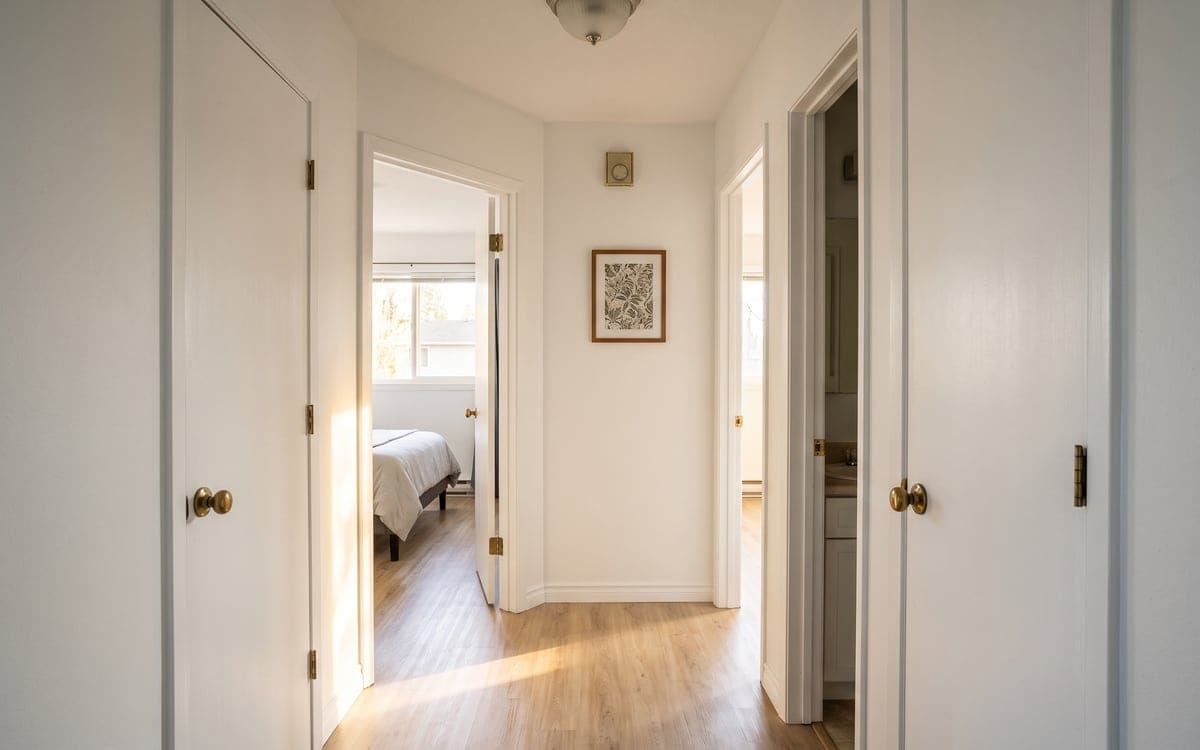
A two-bedroom condo is a smaller job than a four-bedroom house. The kitchen and the bathrooms still account for most of the work inside either one. In a studio, the sleeping area and the living area share a dust list, and the kitchen and the bathroom run through the same sequences they would anywhere. The count sets the baseline for the quote; the extras from the next section shift it.
How long since the last thorough clean
A first visit almost always has more to work through than the ones that follow. Buildup on the top of a cabinet, behind a toilet or along a baseboard was not put there yesterday. The first pass finds it, and the pass has more to do because of it.
A deep clean can come first, so the first visit carries the backlog and the ones after it stay regular. If the home has had steady cleans in the past and the surfaces are in good shape, the deep version at the start may not be needed. From a few details about when the home was last cleaned top to bottom and where the heaviest spots sit, we can usually tell on the call which fits. Deep or regular walks through the choice.
Deep, move-out and remodel cleans are their own jobs
A standard visit, a deep clean, a move-out clean and a cleanup after a remodel are different jobs with different prices. A move-out clean works through an empty place, so cabinets and the floor under where the couch used to be are reachable. A remodel cleanup deals with fine drywall dust. Asking for a maid-visit quote on either one leaves the quote short of the real work.
The move-out checklist covers what belongs in an end-of-lease job and what belongs with the landlord or another trade.
Pets, products and the small extras
Three household facts tend to shift what a counter and a floor look like after a week. A dog on the stairs moves hair into every corner. A kitchen used every evening leaves a film on the stove, the backsplash and the counter that gets heavier than a kitchen used twice a week for coffee and takeout. A toddler with a sippy cup leaves a path.
Products are a smaller question that touches a lot of the visit. Many households have an opinion about what belongs under the sink: a floor product the finish needs, a wood polish for a dining table, a product to avoid near a stone counter. We go over products and supplies on the first call. Say what you want and what you want kept out of the home, and we build the visit around it.
A few add-ons sit outside a standard visit until a household asks: inside the fridge, the oven glass, baseboards walked end to end, inside cabinets and drawers emptied and wiped. Each one adds to the work and to the quote, so they come up on the call rather than at the door.
The building, the parking and the walk to the door
How we get in matters more than people expect. In San Diego, about 38 percent of housing units sit in buildings of five or more units, from two-story walk-ups along a shared breezeway to downtown towers with a front desk and a service elevator. About 43 percent of the city's housing units are detached houses, with attached houses and small walk-ups filling in between. The cleaning itself is the same once the cleaner is inside; the setup and the pack-out shift with the building.
A fourth-floor walk-up with a tight stairwell is a longer trip to the door than a condo on the second story with its own stairs. A tower with a service elevator sits in the middle, and a front desk may want a resident on the list before anyone goes up. Parking is its own question, and a loading zone and a visitor pass can shift what the visit looks like at the start and the end. Tell us the floor, the parking and any building rules on the call. Condo and apartment cleaning has more on buildings with gates, codes and front desks.
Hourly rates and per-visit quotes
Cleaners price in different ways. Some name an hourly rate, some name a price for the visit as a whole, and some do a mix. When a household is comparing cleaners, the first thing to compare is not a figure but what each figure covers: which rooms, which extras, who brings supplies, and what happens if the first pass finds more work than the quote assumed. Two quotes with the same number on them can be very different jobs.
The quote fits the specific home, worked out with you on the call.
Why two quotes differ
Two prices for the same home can look far apart because the quotes are counting different things. One may include inside the oven and interior windows that another treats as extras, and the two may count supplies and bathrooms differently from each other.
Before saying yes, run through a short set of questions with whoever gave the quote.
- Which rooms and bathrooms does the price count?
- Which items are inside the visit, and which are extras (the inside of the oven, inside the fridge, interior windows, baseboards walked end to end)?
- Who brings the supplies, and can you ask for a product you prefer or ask the cleaner to skip something you keep out of the home?
- What happens if the first visit uncovers more work than the quote assumed?
With those questions answered, you can line two quotes up and compare them. The guide on weekly and every-other-week visits walks through pacing for a recurring schedule, where the per-visit shape shifts because less sits between stops.
What changes the price, side by side
| What changes the price | Why it matters | What to tell us when you call |
|---|---|---|
| Rooms and bathrooms | Bathrooms carry the scrubbing load | Rooms, full baths and half baths, counted separately |
| The last thorough clean | A first visit carries the backlog | When the home was last cleaned top to bottom |
| The kind of job | A deep clean is not a maid visit, and a move-out is not either | Which one you think it is, in your own words |
| Pets and a busy kitchen | Floors and counters hold more between visits | Species and numbers, how often the stove runs |
| Building access | Stairs, elevators and a front desk shift the setup | Floor, parking, any gate code or front desk |
| Products and extras | A preferred product or a few add-ons shift the work | What you want used and what you want added |
| The schedule | A weekly stop leaves less to do each time | Weekly, every other week, monthly, or a single visit |
Walking through the home on the call
On a first call, the simplest path is to walk through the home room by room: the rooms, the bathrooms, when it was last cleaned top to bottom, the pets, the building, the parking and anything you want added or left out. The answers settle the number.
A home where someone has been through a maid service visit on a schedule quotes differently from a home that has not had a cleaner in a long while, and both of those quote differently from an empty one-bedroom on the last day of a lease.